2026 APCCMPD Annual Conference
2026 AWARDS BOOK
Abstract Awards
APCCMPD Award for Medical Education Research
APCCMPD Award for Novel Fellowship Education Implementation
APCCMPD Award for Excellence in Fellowship Program Administration
Achievement Awards
Outstanding Educator Award
Mid-Career Educator Award
Emerging Educator Award
Funding Awards
CHEST and APCCMPD Medical Educator Diversity Scholar Fellowship Award
APCCMPD Scholarship in Medical Education Research Award
ATS-APCCMPD Joint Medical Education Research Grant
Abstract Awards
APCCMPD AWARD FOR MEDICAL EDUCATION RESEARCH 
|
|
The APCCMPD Award for Medical Education Research recognizes pulmonary, critical care, and pulmonary critical care medicine Training Program Directors, Associate Program Directors, Clinical Faculty, and Fellows-in-Training for their outstanding contributions and commitment to medical education research. The recipient is selected for conducting innovative research focused on undergraduate or graduate medical education in pulmonary, critical care, and pulmonary critical care medicine.
To ensure impartial evaluation, all submissions are anonymized before review. Reviewers assess each abstract without knowledge of the investigators or their institutional affiliations, ensuring a merit-based selection process.
|
Congratulations to the 2026 awardee:

James Wykowski, MD
University of Colorado Anschutz School of Medicine
Development and Validation of the Denver Critical Illness Intubation Entrustment (D-CITE) Tool
The APCCMPD honors the contributions of all 2026 applicants:
Medha Reddy Cherabuddi, MD
Henry Ford Hospital
Evaluating the Implementation and Impact of a Pulmonary Ambulatory Clinic Rotation: An Eighteen-month Experience at Henry Ford Hospital
Ibrahim A. Gomaa, MD
Mayo Clinic College of Medicine and Science
Development and Evaluation of a Novel Task-Aligned Central Venous Catheter Simulation Model for Pulmonary and Critical Care Fellowship Training
Alan W. Hu, MD
Mayo Clinic College of Medicine and Science
Grit and Resilience Among Pulmonary and Critical Care Physicians: A Multi-institutional Study
Esha M. Kapania, MD
University of Louisville School of Medicine
“An obligation to the fellow, our colleagues, and future patients”: Pulmonary and Critical Care Medicine Program Directors’ Perspectives on Fellow Remediation
John Popovich, MD
University of Virginia
An Advanced Critical Care Ultrasound and Critical Care Echocardiography Curriculum for Fellow Physicians
|
| |
2026 AWARDEE
Development and Validation of the Denver Critical Illness Intubation Entrustment (D-CITE) Tool |
|
James Wykowski, MD
Tristan Huie, MD
Melissa New, MD
University of Colorado
Anschutz School of Medicine
Courtney Donovan, PhD
University of Colorado-Denver
School of Education and Human Development
|
|
|
BACKGROUND
Intensive Care Unit (ICU) intubations are high-risk procedures.(1) Training in ICU intubations varies, and there are no validated tools to assess intubation skills in the adult ICU setting.(2) Existing tools commonly rely on checklist approaches of assessment.(3) These fail to capture the nuances of the continuum of competency or variation in difficulty due to various patient factors. Entrustment is an emerging form of evaluation and feedback where in clinical supervisors make decisions about how much supervision a trainee requires based on clinical observations.(4) The anchors used in entrustment tools reflect real-world decisions made by supervisors (ie, “I need to be present in the room just in case” or “I need to provide ongoing coaching”) and consequently maybe more effective tools for formative and summative feedback.(4) We sought to develop and validate a novel ICU intubation entrustment tool using an entrustment scale.
METHODS
We performed a literature review to assess existing airway management evaluation tools. We conducted a modified Delphi study including intubation education experts in Anesthesia, Emergency Medicine, and Pulmonary/Critical Care Medicine. Experts taught at national airway management courses, led local airway curricula for trainees, and/or had prior publications focused on airway management. We sought feedback on three components of the tool: intubation characteristics used to sub-categorize ratings (eg, anatomically difficult airway), intubation scenario micro-skills, and other markers of intubation success (eg, first pass success). In round one, experts could vote to include, exclude, or modify existing components, and suggest new components to be voted on in subsequent rounds. In the second round, participants voted on the components suggested in the previous round and finalized wording for previously included components. For both rounds, we set a consensus threshold of 70%.
Following development of the tool, we conducted two simulation sessions to gather further validity evidence. Three simulated airway management scenarios (acute gastrointestinal bleed, status epilepticus, and worsening hypercapnic respiratory failure) were completed by three groups of participants: beginners (0-5 prior intubations), intermediate (5-25 prior intubations), and advanced (>100 prior intubations). Participants completed simulations using an airway mannequin and had the opportunity to select from a variety of equipment, including video and direct laryngoscopy blades, endotracheal tube sizes, and stylets. Simulations were assessed by at least two faculty. Following the simulation, faculty completed a survey and interview about their experience. We calculated Cronbach’s alpha and intraclass correlation to examine reliability, and we conducted exploratory factor analysis and Rasch modeling to further assess internal structure validity. Rasch modeling is a tool to analyze how well components of an evaluation describe participants’ ability.(5) In an ideal fit Rasch model with 10 test items, the highest ability participant would answer all correctly, with the next strongest participant answering nine out of ten answers correctly, missing only the most difficult, and so on and so forth.(5) Model fit is assessed using Infit and Outfit Mean Squares, with acceptable values being between .5-1.5.(5)
RESULTS
The modified Delphi study included nineteen experts representing seventeen institutions and consisted of two rounds. Greater than 90% of experts participated in each round. During each round, experts voted to include components of the tool as presented, to modify components, or to exclude components. The process resulted in the Denver Critical Illness Intubation Entrustment (D-CITE) Tool (Figure 1).
Twenty-nine participants completed the simulation scenarios. Validity evidence to support the use of the D-CITE tool in a simulated environment, organized based Messick’s Unified Validity Framework, is in Table 1.(6) Scores on each intubation micro-skill and the global assessment all had statistically significant differences when compared by level of training. Within each level of training, there were no statistically significant differences in scores across the three scenarios. Obtaining a Cormack-Lehane Grade 2a view rather than a Grade 1 view was associated with a lower global assessment rating,(p<0.001).
The D-CITE tool demonstrated high reliability with Cronbach’s alpha of 0.97 and intraclass correlation of 0.77. Exploratory factor analysis demonstrated a single factor of intubation competence, with an eigenvalue of 8.25 explaining 82.5% of variance in scores. The overall model fit was appropriate (Infit MNSQ = 0.99, SD = 0.05; Outfit MNSQ = 0.96, SD = 0.06). All items and persons fit the model except for “Assessment of Potential Anatomic Difficulty,” which had elevated Mean Infit and Outfit MNSQ (2.21 and 2.07, respectively). This lack of fit for this element may result from the format of the simulated environment in which the learner’s assessment of anatomic difficulty, if unspoken, may have been inferred incorrectly by the observer
Ten faculty from four sites participated as raters, six of whom completed the follow-up survey. All faculty strongly agreed or agreed that 1) they understood what the tool was asking, 2) the tool would help them give formative feedback to trainees, 3) they were able to easily complete the tool on their phones, and 4) they would have time to complete the tool in the clinical environment.
CONCLUSION
We created a novel adult ICU intubation entrustment tool, the D-CITE, that assesses the necessary steps for intubation across the spectrum of competency. Application of the tool for assessment and feedback demonstrated strong preliminary validity evidence for use in a simulated environment. Future studies will evaluate the tool’s validity for use with intubations in the clinical setting at multiple clinical sites.
REFERENCES
- Russotto V, Myatra SN, Laffey JG, et al. Intubation Practices and Adverse Peri-intubation Events in Critically Ill Patients From 29 Countries. JAMA. 2021;325(12):1164-1172. doi:10.1001/jama.2021.172
- Ghiathi C, Lanfranco AR, Heath JK. A Multicenter Study of Pulmonary Critical Care Trainees’ Perception of Airway Management Training during Fellowship. ATS Sch. 2024;5(4):538-546. doi:10.34197/ats-scholar.2024-0033OC
- Johnston L, Sawyer T, Nishisaki A, et al. Neonatal Intubation Competency Assessment Tool: Development and Validation. Acad Pediatr. 2019;19(2):157-164. doi:10.1016/j.acap.2018.07.008
- Ten Cate O, Schwartz A, Chen HC. Assessing Trainees and Making Entrustment Decisions: On the Nature and Use of Entrustment-Supervision Scales. Acad Med 2020;95(11):1662-1669. doi:10.1097/ACM.0000000000003427
- Applying the Rasch Model: Fundamental Measurement in the Human Sciences. Routledge & CRC Press. Accessed July 18, 2025. https://www.routledge.com/Applying-the-Rasch-Model-Fundamental-Measurement-in-the-Human-Sciences/Bond-Yan-Heene/p/book/9780367141424
- Messick S. Validity. In: Educational Measurement, 3rd Ed. The American Council on Education/Macmillan series on higher education. American Council on Education; 1989:13-103
|
| |
Evaluating the Implementation and Impact of a Pulmonary Ambulatory Clinic Rotation: An Eighteen-month Experience at Henry Ford Hospital
|
|
Medha Reddy Cherabuddi, MD
Patrick Bradley, MD
Javier Diaz-Mendoza, MD
Henry Ford Hospital
|
|
|
BACKGROUND
Structured, literature-based teaching scripts are effective in enhancing pulmonary and critical care medicine (PCCM) fellowship education. In 2016, Kassutto et al.(1) developed 20 ambulatory teaching scripts for twice-monthly small-group sessions, improving fellows’ satisfaction, preparedness, and teaching experience, especially among first-year fellows. A 2021 multicenter study(2) sponsored by the Association of Pulmonary and Critical Care Medicine Program Directors (APCCMPD) expanded to 40 scripts across 19 programs (N=221 fellows, 17 PDs), demonstrating improved satisfaction, perceived educational value, and a 15% increase in In-Training Examination scores. Program directors endorsed the curriculum as accurate, high-yield, and adaptable, though limited by low fellow response and predominance of academic centers.
Our PCCM fellows participated in more than eight months of one half-day weekly pulmonary clinics per year. Approximately half occurred at the main campus clinic (inner-city, high-acuity, resource-limited population) while the remainder took place at a satellite clinic (suburban, lower-acuity, resource-advantaged population). Fellows evaluated patients and reviewed cases with supervising faculty. No formal didactics were conducted.
Ambulatory teaching included once, or twice monthly one-hour group discussions facilitated by faculty using APCCMPD Ambulatory Care Teaching Scripts.(3) Due to scheduling constraints, these sessions followed other didactics, resulting in low attendance and engagement. A program-wide survey indicated dissatisfaction with this learning structure.
To address this matter, a new outpatient model was created: a twice-yearly two-week rotation at the main campus clinic with structured discussions using APCCMPD teaching scripts in a 1:1–1:2 faculty-to-fellow ratio and weekly administrative time. Fellows continued an average of eight months of one half-day weekly satellite clinics annually for continuity. The goal was to optimize integration of these proven teaching scripts and assess fellow and faculty views on the new model.
METHODS
This single-center, pre–post interventional survey study was conducted at Henry Ford Hospital from October 2023 to October 2025 to evaluate implementation of the new ambulatory curriculum. Teaching scripts from the APCCMPD repository(3) were selected to ensure comprehensive coverage of outpatient pulmonary topics. Core faculty distributed topics across rotations: first- and second-year fellows completed two two-week ambulatory blocks annually, and third-year fellows completed one. To enhance variety and relevance, materials from the American Thoracic Society (ATS) reading list(4) and ATS Clinical Cases(5) were integrated and published on the fellowship program website (Figure 1). The two-week curriculum featured twice-daily 30-minute didactic sessions at a 1:1 or 1:2 faculty-to-fellow ratio and a weekly administrative afternoon (Figure 2). Faculty received structured orientation to ensure consistent delivery. Fellows and faculty were asked to review the material in advance.
Anonymous pre- and post-intervention electronic surveys assessed fellows’ perceptions of preparedness, satisfaction, and faculty engagement using 5-point Likert scales and free-text responses. All first- and second-year PCCM fellows participated (n=14); graduating third-year fellows were excluded from the pre-intervention survey due to timing. A post-intervention faculty survey (N=10) assessed feasibility, teaching experience, and curricular impact. Qualitative responses were thematically analyzed by two independent reviewers, with themes refined by consensus. The project was IRB-exempt as a quality improvement initiative.
RESULT
A total of 24 fellows completed surveys: 11 pre-intervention (6 first-, 5 second-year) and 13 post-intervention (4 first-, 3 second-, 6 third-year). Response rates were 100% among eligible participants at each stage. Female representation was 55% pre-intervention and 69% post-intervention
Across all domains, fellows demonstrated substantial improvement in perceived ambulatory training experience. Strong agreement that clinic prepared them for independent practice rose from 9% to 54%; recognition of clinic as a crucial part of fellowship increased from 9% to 69%, overall satisfaction improved from 0% to 54%, and perception of clinic as a program strength increased from 0% to 54%. Agreement regarding faculty engagement rose from 45% to 85%, adequacy of administrative time from 36% to 85%, and endorsement of teaching script use from 36% to 77%.
Pre-intervention comments cited limited topic relevance, variable faculty involvement, and insufficient administrative time. Post-intervention feedback emphasized broader topic diversity, consistent faculty presence, and enhanced clinical applicability. Fellows described the new format as “high-yield,” “engaging,” and “transformative”.
Among faculty, 60% had over five years of outpatient teaching experience, and 30% identified as female. All faculty agreed that the curriculum was well-structured, provided clear learning objectives, and standardized outpatient teaching. Eighty percent found the scripts high-yield and factually accurate, 70% found them engaging for fellows and their own learning, 90% felt the curriculum effectively aligned faculty–fellow goals and reduced preparation time, and all agreed the clinic curriculum prepared fellows for independent practice and was a crucial fellowship component. Faculty highlighted “improved consistency,” “reduced redundancy in teaching,” and “strengthened mentor–mentee interactions.”
CONCLUSION
Findings indicate a shift from neutral or dissatisfied pre-intervention perceptions to strong post-intervention endorsement following implementation of the daily didactic model. Our findings align with and extend prior work by Kassutto et al.(1,2), demonstrating the effectiveness of structured, literature-based teaching scripts in PCCM fellowship education. Consistent with these studies, fellows reported improved satisfaction with outpatient learning, faculty engagement, and preparedness for independent practice. The teaching scripts were integrated into routine outpatient clinic learning, unlike prior reports of twice-monthly, non-clinic-based use. Linking theory to practice is crucial in education.(6) While the scripts apply theory to hypothetical cases, immediate application to real patients may further enhance comprehension and retention. Importantly, fellows’ perceptions shifted from ambivalence to strong agreement across domains, highlighting clinic value and teaching script use.
REFERENCES
- Kassutto SM, Dine CJ, Kreider M, Shah RJ. Changing the Ambulatory Training Paradigm. Design and Implementation of an Outpatient Pulmonology Fellowship Curriculum. Ann Am Thorac Soc. 2016;13(4):540-544. doi:10.1513/AnnalsATS.201601-009PS
- Kassutto SM, Santhosh L, Dine CJ, Kreider M, Lapin J, Shah RJ. A Novel Ambulatory Curriculum for Pulmonary and Critical Care Fellowship Training. ATS Sch. 2021;2(2):265-277. Published 2021 Jun 30. doi:10.34197/ats-scholar.2020-0162OC
- Ambulatory care curriculum teaching scripts. APCCMPD Scholars. Accessed November 14, 2025. https://apccmpdscholars.org/tool/ambulatory-care-curriculum/.
- ATS adult reading list. American Thoracic Society. Accessed November 14, 2025. https://site.thoracic.org/learning/professional-development-for-early-and-mid-career-professionals/ats-adult-reading-list.
- ATS clinical cases. Accessed November 14, 2025. https://www.thoracic.org/professionals/clinical-resources/clinical-cases/index.php.
- Ching CP. Linking Theory to Practice: A case-based approach in teacher education. Procedia Soc Behav Sci. 2014;123:280-288. doi:10.1016/j.sbspro.2014.01.1425
|
| |
Development and Evaluation of a Novel Task-Aligned Central Venous Catheter Simulation Model for Pulmonary and Critical Care Fellowship Training
|
|
Ibrahim A. Gomaa, MD
Rosanna Chorro Bas, MD
Mariela Rivera, MD
Mark E. Morrey, MD
Diana Kelm, MD
Mayo Clinic College of Medicine and Science
|
|
|
BACKGROUND
Central venous catheterization (CVC) is a fundamental procedural competency inpulmonary and critical care medicine (PCCM).(1) Commercial task trainers are effective but often expensive which limits the training andpractice availability.(2) At our institution, we have adopted a modified training approach using the CAE Blue Phantom Gen II Central Line Ultrasound Training Model® combined with a low-cost skin fold made of foam and cardboard to minimize the costs. We traditionally use CAE Blue Phantom for training. First, learners identify vessels, perform initial access and then interrupt the procedure before the dilation stage.To prevent non-repairable damage to the CAE Blue Phantom, we ask learners to complete the task (dilation and catheter insertion) using a low-cost skin pad from Limbs & Things® (Bristol, United Kingdom). This interruption in the process makes the procedure feel unrealistic for the learners.(3) To address these practical and economic limitations, we developed a novel task-aligned CVC simulation model engineered to replicate all procedural steps, from ultrasound localization through full catheter placement, while maintaining high anatomical fidelity at a substantially lower cost. This study aimed to evaluate the model’s educational preference and procedural realism compared with the standard commercial model.
METHODS
Participants
A prospective educational evaluation was conducted during the 2025 Mayo Clinic Central Line Workshop for PCCM fellows. Participants practiced CVC placement during this workshop with both the standard task trainer and the new model. Teaching faculty were asked to evaluate both models from an instructional standpoint.
Data Collection
Data collection used anonymous questionnaires, administered after training sessions. The fellow’s questionnaire included six items: 1) Preferred model for practice (New vs. Standard). 2) Whether the new model improved understanding of CVC insertion steps (Yes/No). 3) Ease of identifying anatomical landmarks (Yes/No). 4) Open-ended: “What did you like about the new model?” 5) Open-ended: “What did you not like about the new model?” 6) Recommendation on future use in workshops (Yes/No).
The faculty questionnaire also included six items: 1) Preferred model for teaching (New vs. Standard). 2) Adaptability of teaching approach using the new simulator (Yes/No). 3) Ease of explaining anatomical landmarks (Easier/Harder). 4) Open-ended: “What did you like about the new model?” 5) Open-ended: “What did you not like about the new model?” 6) Recommendation on future use in workshops (Yes/No).
The New Model
The new model was designed to allow completion of the entire CVC procedure without interruption, including ultrasound visualization, venous access, wire passage, dilation, and catheter insertion. Realistic materials were selected to replicate soft tissue texture, vascular compressibility, and pulsatile flow. Ballistic gel (20% Clear Ballistics®, Greenville, SC) was chosen for its ultrasound-compatible properties (Figure 1). The mold was created by scanning the neck region of an actual human subject to ensure anatomical fidelity. The model was designed for repeated use, up to 10 procedures, before remolding is required. Because ballistic gel is recyclable, the model can be easily remelted in an oven or slow cooker and recast into the mold, producing a renewed model ready for reuse.
RESULT
A total of 15 PCCM fellows and three faculty instructors participated in the evaluation of the new CVC simulation model. All participants completed structured questionnaires immediately following hands-on sessions comparing the new model with the standard commercial model.
All fellows 15 (100%) preferred the new model for practice. Fourteen (93%) reported that the new model helped them better understand the steps of central line insertion, and 11 (73%) found it easy to identify anatomical landmarks under ultrasound. Representative comments highlighted the model’s realistic tactile feedback, ability to perform the entire procedure, and improved ultrasound imaging, with remarks such as “It felt more representative of an actual central line placement” and “Able to thread wire and complete all steps.” A few respondents noted that bony landmarks were less distinct or that the model was slightly small. Despite these limitations, all fellows 15 (100%) endorsed inclusion of the new model in future central line workshops (Table 1).
All faculty instructors three (100%) preferred the new model for teaching and reported that it allowed them to complete the entire procedure in a realistic fashion. All faculty 3 (100%) stated they could easily adapt their teaching approach, and one faculty member (33%) found it easier to explain anatomical landmarks, while two (67%) found it slightly harder, primarily due to visual depth and model positioning.
Open-ended questions asking why they liked the new model, with the answer emphasized the educational value and realism of the new model: “Can do the whole procedure in one model and makes it more realistic,” and “Blood flow and ultrasound imaging replicate real life.” Suggested improvements included better integration into a mannequin for learner orientation and slight adjustments to anatomical depth. All the 3 (100) faculty would like to use the new model for future workshop teaching (Table 1).
The total cost for the initial creation of the new model was approximately $288.96. This included reusable materials such as Mold Star Silicone ($159.29 for 1.4 gallons), Clear Ballistic Gel ($64.00), aluminum rods of ½-inch and ⅜-inch diameter ($1.37 and $1.20, respectively), and a pulse generator ($60). Additional consumables included Silc Pig™ pigment ($0.10) and Latex Tubing ($3.00). After the initial creation, all materials are reusable, except for minor consumables.
CONCLUSION
The novel task-aligned CVC model provides a realistic, reusable, and cost-efficient alternative to commercial simulators, significantly improving perceived realism, procedural completeness, and teaching effectiveness. Preliminary outcomes support its integration into fellowship training curricula and warrant future studies assessing objective skill acquisition and long-term retention.
REFERENCES
- Buckley JD, Addrizzo-Harris DJ, Clay AS, et al. Multisociety task force recommendations of competencies in Pulmonary and Critical Care Medicine. Am J Respir Crit Care Med. 2009;180(4):290-295. doi:10.1164/rccm.200904-0521ST
- Soffler MI, Hayes MM, Smith CC. Central venous catheterization training: current perspectives on the role of simulation. Adv Med Educ Pract. 2018;9:395-403. doi:10.2147/AMEP.S142605
- Gomaa IA, Chorro RA, Climent A, et al. High superficial resemblance versus high functional task alignment simulation for central venous catheterization training: A randomized crossover trial. Surgery. 2025;185:109487. doi:10.1016/j.surg.2025.109487
|
| |
Grit and Resilience Among Pulmonary and Critical Care Physicians: A Multi-institutional Study
|
|
Alan W. Hu, MD
Thomas J. Beckman, MD
Allison M. LeMahieu, MS
Diana Kelm, MD
Mayo Clinic College of Medicine and Science
Rosemary Adamson, MB BS
University of Washington
Hitesh H. Patel, MD
University of Virginia
Dustin C. Krutsinger, MD, MSCE
University of Nebraska Medical Center
Joshua L. Denson, MD, MS
Tulane University School of Medicine
David C. Chu, MD
Penn State Health Milton S. Hershey Medical Center
|
|
|
BACKGROUND
Burnout, defined by emotional exhaustion, depersonalization, and a reduced sense of personal accomplishment, is common in medicine and negatively affects both patient care and physician well-being.(1) While organizational strategies are essential, individual characteristics may also influence a clinician’s ability to cope with adversity. Two such traits, grit (perseverance and passion for long-term goals) and resilience (the ability to adapt positively in the face of stress), have been shown to mitigate burnout and promote persistence in medical training and academic careers.(2,3)
Pulmonary and Critical Care Medicine (PCCM) physicians work in highly demanding environments with frequent exposure to critical illness, moral distress, and high mortality. Burnout rates in this field exceed 50 percent, among the highest in medicine.(4) Despite these challenges, grit and resilience have not been examined in this population. Characterizing these traits may inform educational strategies that foster psychological endurance, self-regulation, and professional growth among trainees.
We conducted a multi-institutional study to evaluate grit and resilience among PCCM physicians and explore their associations with burnout, academic productivity, and COVID-19 clinical experiences. We hypothesized that higher levels of grit and resilience would be associated with lower burnout and sustained academic engagement.
METHODS
A cross-sectional survey was conducted during the 2022–2023 academic year among PCCM fellows and faculty at six academic centers (Mayo Clinic, University of Washington, University of Virginia, University of Nebraska, Pennsylvania State University, and Tulane University). The survey included validated measures: the Short Grit Scale (GRIT-S),(2) the 10-item Connor–Davidson Resilience Scale (CD-RISC-10),(5) and two single-item burnout questions assessing emotional exhaustion and depersonalization.(6) Participants also reported demographics, academic productivity over the previous three years, and COVID-19 clinical exposure, including ICU and non-ICU time and the number of patients who died from COVID-19.
Mixed-effects proportional odds regression models were used to assess relationships between grit, resilience, burnout, and academic productivity, accounting for clustering by institution. Odds ratios (ORs) with 95 percent confidence intervals (CIs) were reported, with significance defined as p < 0.05.
RESULT
A total of 131 physicians responded (response rate 40 percent), including 38 fellows and 93 faculty. Respondents were 59 percent male and 82 percent married. Median (IQR) scores were: grit 3.8 (3.4–4.0), resilience 31 (27–34), and burnout 4 (2–7).
Higher grit and resilience were both associated with lower burnout (grit: OR = 0.34, p < 0.001; resilience: OR = 0.90, p = 0.001)(Figure 1 & Figure 2). Grit was positively associated with presenting at national or international conferences (OR = 1.99, p = 0.027) but inversely associated with PubMed-indexed publication counts (OR = 0.57, p = 0.048)(Figure 1). Interestingly, physicians who cared for more patients who died from COVID-19 demonstrated higher grit and resilience scores (p < 0.05)(Figure1 & Figure2), suggesting that repeated exposure to high-stakes situations may strengthen, rather than erode, these adaptive traits.
No significant differences in grit or resilience were observed across career stages, indicating that these attributes appear stable among both fellows and faculty.
CONCLUSION
This multi-institutional study is the first to characterize grit and resilience among Pulmonary and Critical Care Medicine physicians. Higher levels of both traits were associated with lower burnout and sustained academic engagement despite the extraordinary demands of the COVID-19 pandemic. These findings identify grit and resilience as potential protective factors in a field marked by high emotional and cognitive intensity.
While burnout arises from both personal and systemic factors,(1) these results suggest that grit and resilience may serve as measurable and modifiable traits that contribute to physician well-being. Prior work shows these traits can be strengthened through mindfulness-based stress reduction, cognitive-behavioral strategies, and growth-mindset interventions.(7-9) Incorporating such approaches into fellowship curricula and faculty development could help clinicians manage adversity and maintain engagement in their professional roles.
Importantly, individual strategies must be paired with institutional initiatives that address workload, staffing, and culture to achieve meaningful reductions in burnout. Future research will define how grit and resilience evolve across the training continuum and how integrated educational and organizational interventions can foster long-term well-being and professional fulfillment in critical care medicine.
REFERENCES
- West CP, Dyrbye LN, Shanafelt TD. Physician burnout: contributors, consequences, and solutions. J Intern Med. 2018;283(6):516-529.
- Duckworth AL, Peterson C, Matthews MD, Kelly DR. Grit: perseverance and passion for long-term goals. J Pers Soc Psychol. 2007;92(6):1087-1101.
- Hwang E, Kim K, Park J, et al. Grit and burnout in internal medicine faculty. J Gen Intern Med. 2019;34(9):1844-1850.
- Moss M, Good VS, Gozal D, et al. A critical care societies collaborative statement: burnout syndrome in critical care health care professionals: a call for action. Am J Crit Care Med. 2016;194(1):106-113.
- Connor KM, Davidson JR. Development of a new resilience scale: the Connor–Davidson Resilience Scale (CD-RISC). Depress Anxiety. 2003;18(2):76-82.
- West CP, Dyrbye LN, Sloan JA, Shanafelt TD. Single item measures of emotional exhaustion and depersonalization are useful for assessing burnout in medical professionals. J Gen Intern Med. 2009;24(12):1318-1321.
- Sood A, Sharma V, Schroeder DR, Gorman B. Stress management and resilience training among Department of Medicine faculty: a pilot randomized clinical trial. J Gen Intern Med. 2011;26(8):858-861.
- Epstein RM, Krasner MS. Physician resilience: what it means, why it matters, and how to promote it. Acad Med. 2013;88(3):301-303.
- Dweck CS. Mindset: The New Psychology of Success. New York: Random House; 2006.
|
| |
“An obligation to the fellow, our colleagues, and future patients”: Pulmonary and Critical Care Medicine Program Directors’ Perspectives on Fellow Remediation
|
|
Esha M. Kapania, MD
University of Louisville
Andrew S. Parsons, MD, MPH
Karen M. Warburton, MD
University of Virginia
Andrea Bilger, PhD
AnnaMarie Otor, BA
Janae K. Heath, MD, MSCE
University of Pennsylvania
Başak Çoruh, MD
University of Washington
|
|
|
BACKGROUND
Remediation of medical trainees who underperform relative to expected milestones remains a challenge in graduate medical education.(1,2) Previous studies have highlighted difficulties with and limited strategies for identification, documentation, and intervention.(3) Little is known about remediation in Pulmonary and Critical Care Medicine (PCCM) fellowship, which may present unique challenges due to patient acuity and smaller program size.(4) This study sought to explore the experiences of PCCM program directors (PDs) in identifying and remediating struggling fellows, and what remediation strategies are effective.
METHODS
We employed a qualitative design to explore the perspectives of PCCM PDs on remediation practices via three focus groups (FGs). Participants were invited to participate via email by the Association of Pulmonary and Critical Care Medicine Program Directors, an organization representing 98% of PCCM fellowship programs in the US. Forty-two PDs volunteered, and 21 were purposively selected to ensure diversity in geography and program type. FGs were conducted by trained qualitative researchers from the University of Pennsylvania Mixed Methods Research Lab using a semi-structured interview guide developed by the authors and experts in remediation. FGs were recorded, transcribed verbatim, and de-identified, with subsequent inductive thematic content analysis.
RESULT
Forty-two of 158 invited PCCM PDs (27%) volunteered to participate, and 21 (13% of all PDs) were purposively selected to ensure diversity in program size and type. Participants reported that struggling fellows were often identified through informal conversations rather than written evaluations. Barriers to faculty documentation of learner performance deficiency included concerns about anonymity and impact on the learner’s career.
Professionalism emerged as a common and particularly challenging domain to remediate due to its subjective nature, concerns about bias, fellows’ perceived lack of insight, and frequent overlap with mental health concerns. An unexpected but pervasive theme was the significant emotional and administrative burden that remediation places on PDs who are balancing advocacy and accountability, often without sufficient institutional resources (Figure 1). Despite these challenges, many PDs described that a structured, stepwise remediation process—especially when implemented in collaboration with the GME office—often led to meaningful improvements in fellow performance (Figure 2).
CONCLUSION
PDs face significant emotional and structural challenges in remediating struggling fellows, particularly in the domain of professionalism. Centering the PD perspective highlights the urgent need for stronger institutional infrastructure to support remediation, as well as more effective evaluation practices to promote earlier identification of and intervention for struggling fellows.
REFERENCES
- Dupras DM, Edson RS, Halvorsen AJ, Hopkins RH, McDonald FS. “Problem Residents”: Prevalence, Problems and Remediation in the Era of Core Competencies. The American Journal of Medicine. 2012;125(4):421-425. doi:10.1016/j.amjmed.2011.12.008
- Yao DC, Wright SM. National survey of internal medicine residency program directors regarding problem residents. JAMA. 2000;284(9):1099-1104. doi:10.1001/jama.284.9.1099
- Papadakis MA, Arnold GK, Blank LL, Holmboe ES, Lipner RS. Performance during internal medicine residency training and subsequent disciplinary action by state licensing boards. Ann Intern Med. 2008;148(11):869-876. doi:10.7326/0003-4819-148-11-200806030-00009
- Camac E, Stewart N, Santhosh L, Carlos WG, Denson JL, Heath J. Best Practices for Remediation in Pulmonary and Critical Care Medicine Fellowship Training. ATS Sch. 2022;3(3):485-500. doi:10.34197/ats-scholar.2022-0007RE
|
| |
An Advanced Critical Care Ultrasound and Critical Care Echocardiography Curriculum for Fellow Physicians
|
|
John Popovich, MD
Nelson Mandrell, MD
Timothy Scialla, MD
Francesco Moroni, MD
University of Virginia
|
|
|
BACKGROUND
Bedside ultrasound has become an invaluable tool to support the physical exam and guide complex medical decision-making. The American College of Physicians acknowledges the importance of bedside ultrasound (hereon called point-of-care ultrasound or POCUS) and advocates for longitudinal curricula to allow trainees to become proficient.(1)However, minimal data exist on the impact of such training programs on physicians’ competence, confidence and technical skills. In addition, no data exist on the optimal structure of such curricula; published examples are small and limited.(2,3)The UVA Pulmonary and Critical Care Medicine (PCCM) Fellowship has recently developed a new, novel POCUS curriculum. This curriculum has been designed by a multi-disciplinary group with special interest in critical care, cardiology, cardiovascular physiology and graduate medical education from both PCCM and cardiology divisions. It includes brief lectures supported by proctored practice, guided imaging review and intermittent simulation sessions to leverage spaced learning and consolidate acquired skills. Supported by this multi-disciplinary team, we are especially focusing on advanced critical care echocardiography, with the goal of teaching our fellows to measure, and make clinical decisions based on, quantitative and Doppler-based measurements (eg, measuring velocity-time integrals, tricuspid annular plane systolic excursion, and other similar measurements that can be used to diagnose circulatory failure and assess the impact of interventions). This is beyond the scope of most exemplar POCUS curricula or certifications for generalists.(4) The aim of this project is to assess the efficacy of the curriculum in improving PCCM fellows' knowledge, skills and attitudes around POCUS, with particular attention on advanced critical care echocardiography skills (i.e. quantitative and Doppler measurements).
METHODS
The efficacy of the intervention is being assessed on three domains: fellows’ confidence and subjectively perceived change in clinical practice; fellows’ theoretical knowledge and image interpretation; and fellows’ technical skills as sonographers with image acquisition. To assess confidence and knowledge, participants are receiving quarterly surveys consisting of a five-point Likert scale. To assess theoretical knowledge and image interpretation, we will administer a 20-question multiple choice test twice per year. Finally, we are organizing simulation days where participants will be assessed in a standardized fashion for technical skills. This project has been approved by the local IRB (IRB/SBS 7779). The study population consists of 16 fellows in training in critical care medicine, who have provided written informed consent.
RESULT
Thus far, we have collected baseline data on fellow’s pre-intervention perceived competency in POCUS and impact on daily practice. 65% say that POCUS exams change their patient management at least weekly in the intensive care unit (implying they are performing POCUS rather frequently and integrating it into their decision-making), but a similar 65% report that they are “not at all” or “slightly” confident in making the aforementioned measurements, which gives us a current state for those skills and suggests plenty of room for growth in them. This is the pilot year for the curriculum; we will collect post-intervention data on our first cohort in May and June of 2026. Our poster will include example content from our curriculum and our survey and assessment tools.
CONCLUSION
This project demonstrates the feasibility of instructing PCCM fellows in advanced POCUS and critical care echocardiography skills in a manner that requires minimal time and resources. Our curriculum and data collection are currently ongoing; the 2025-2026 academic year is our pilot.
REFERENCES
- Our Statement in Support of Point-of-Care Ultrasound in Internal Medicine | ACP. October 11, 2019. Accessed September 10, 2025. https://www.acponline.org/meetings-courses/focused-topics/point-of-care-ultrasoun d-pocus-for-internal-medicine/acp-statement-in-support-of-point-of-care-ultrasound-i n-internal-medicine
- Formalized Curriculum for Critical Care Ultrasonography: A Single Fellowship Experience. Accessed July 25, 2025. https://www.thoracic.org/professionals/career-development/fellows/innovations-in-fe llowship-education/2013/emory-university.php?utm_source=chatgpt.com
- Young AC, Butts C, deBoisblanc BP, Tejedor RS, Kantrow SP, Lammi MR. Implementation of a Longitudinal Critical Care Fellowship Ultrasound Curriculum. Sch. 2022;3(1):125-134. doi:10.34197/ats-scholar.2021-0120OC
- POCUS Certificate of Completion. SHM | Society of Hospital Medicine. Accessed November 13, 2025. https://www.hospitalmedicine.org/clinical-topics/ultrasound/pocus-certificate-of-completion/
|
APCCMPD AWARD FOR NOVEL MEDICAL EDUCATION IMPLEMENTATION
|
|
|
The APCCMPD Award for Novel Medical Education Implementation recognizes pulmonary, critical care, and pulmonary/critical care medicine Training Program Directors, Associate Program Directors, Faculty, and Fellows-in-Training for their outstanding contributions and commitment to fellowship medical education and training. The recipient is selected for development of novel and innovative curricular development in their training program.
To ensure impartial evaluation, all submissions are anonymized before review. Reviewers assess each abstract without knowledge of the investigators or their institutional affiliations, ensuring a merit-based selection process.
|
Congratulations to the 2026 awardee:
Jack Tomen, MD
Wayne State University School of Medicine
An E-Learning Curriculum on Applied Respiratory Physiology for Pulmonary and Critical Care Fellowship Programs
The APCCMPD honors the contributions of all 2026 applicants:
Matthew J. Barraza, MD, MS
The Ohio State University Wexner Medical Center
A Novel Framework for Early Procedural Competence in Pulmonary and Critical Care Medicine (PCCM) Fellows
Abhaya Trivedi, MD
Rush University Medical Center
A Novel Pulmonary Critical Care Medicine (PCCM) Fellowship Curriculum to Achieve Certification in Critical Care Echocardiography
Frances Mae West, MD
Sidney Kimmel Medical College at Thomas Jefferson University
The Jefferson Academic Tracks Framework: A Structured Approach to Fostering Career Development, Mentorship, and Scholarship in Pulmonary and Critical Care Fellowship
|
| |
2026 AWARDEE
An E-Learning Curriculum on Applied Respiratory Physiology for Pulmonary and Critical Care Fellowship Programs
|
|
Jack Tomen, MD
Abdulghani Sankari, MD, PhD
Divya Venkat, MD
Cassondra Cramer-Bour, MD
Wayne State University School of Medicine
|
|
|
INTRODUCTION
Respiratory physiology constitutes essential knowledge for a comprehensive understanding by pulmonary critical care physicians. This knowledge is frequently not imparted through formal instruction but rather acquired through experiential learning during training. Although physiology courses have been developed for medical students(1), there is a notable absence of formal education specifically tailored for advanced trainees. A significant decline in respiratory physiology knowledge occurs between medical schools and fellowships, underscoring the necessity for curricula specifically designed for fellows(2).
Pulmonary and critical care medicine (PCCM) fellows’ ability to interpret pulmonary function testing (PFT) relies on a robust foundation in respiratory physiology. Currently, there is no cost-free, scalable, and readily applicable respiratory physiology course within a PCCM fellowship program. To address this gap, we developed an e-learning course specifically targeting PCCM fellows.
ABSTRACT PRESENTATION
A needs analysis was conducted among faculty physicians in the PCCM program. The majority of physicians surveyed identified the formal interpretation of PFTs as the primary area requiring enhancement within the program. Specifically, a deficiency in training related to respiratory physiology as it pertains to PFT interpretation has been identified. In response, we developed a curriculum aimed at standardizing training in these areas by utilizing our program as a pilot site to evaluate the curriculum's effectiveness and feasibility. This curriculum is specifically designed for fellows undergoing training in the PCCM. All participants completed a pre-test one day prior to engaging in the curriculum. The test questions were formulated with input from PCCM faculty physicians who reviewed the questions to achieve a target difficulty index of 50-70%. The curriculum comprises five interactive modules, each focusing on a distinct aspect of PFTs and their associated respiratory physiology, including the pathophysiology of various pulmonary diseases. The online teaching and learning platform "Edpuzzle" facilitated the creation of interactive videos with integrated questions pertinent to each module's topic, enabling us to monitor trainee participation. Subsequently, trainees completed a post-test one month after the completion of the modules to evaluate the effectiveness of the instruction and retention of knowledge.
To date, 12 fellows within a single PCCM fellowship program have completed the curriculum. The time required to complete the curriculum is an average of three hours in total, including the pre-test, modules, and post-test. The mean score on the pre-test was 42.95% ± 15.19%. The score on the post-test was 58.66% ± 15.89% (Figure 1). This increase in score at the time of post-testing was statistically significant (p= 0.039) as determined using a paired t-test.
DISCUSSION
The significant increase in test scores highlights the effectiveness of an interactive online respiratory physiology course. This curriculum enhances the knowledge of respiratory physiology, particularly in relation to PFT. It also addresses the gap in medical education by reinforcing core physiological concepts that may be forgotten between medical schools and fellowships. As an
e-learning course, the curriculum can be easily scaled to accommodate fellowship programs of any size, eliminating the need for substantial investment in faculty time, money, and equipment. This scalability makes it feasible for implementation in a wide range of programs, including those with limited resources.
CONCLUSION
An e-learning course designed for PCCM fellows is an effective method for increasing knowledge on respiratory physiology and PFT interpretation. It provides a no-cost and scalable method of training fellows that can be potentially adapted to any fellowship program.
REFERENCES
- Bintley HL, Bell A, Ashworth R. Remember to breathe: teaching respiratory physiology in a clinical context using simulation. Advances in physiology education. 2019:76-81.
- Maximous SI, Acho M, Ahari J, et al. Decay in Physiologic Knowledge since Medical School among Critical Care Fellows (DIP Study). ATS Sch. 2025;6(2):191-201.
|
| |
A Novel Framework for Early Procedural Competence in Pulmonary and Critical Care Medicine (PCCM) Fellows
|
|
Matthew J. Barraza, MD, MS
Avraham Z. Cooper, MD
Stella B. Ogake, MD
The Ohio State University Wexner Medical Center
|
|
|
BACKGROUND
Historically, procedurally oriented subspecialty training programs expect that incoming fellows will have achieved competence in certain core procedures during residency and can supervise other learners at the start of fellowship. However, most fellowship programs lack standardized methods to assess procedural skills of incoming trainees. For Pulmonary and Critical Care Medicine fellowship, such core procedures include placement of central venous catheters (CVC) and arterial lines. In recent years, our program observed that an increasing number of incoming fellows were not ready to independently perform or supervise these procedures at the start of fellowship. This shift likely reflects evolving trends in Internal Medicine residency procedural training requirements, supervision models, and institutional workflows.(1)
METHODS
To identify and address core procedural experience and competence gaps among incoming fellows, our program implemented a two-stage intervention:
1. Early identification
In February 2025, we added a questionnaire in our standard pre-fellowship scheduling survey to assess each fellow’s procedural experience and supervision needs. Fellows reported the number of CVC and arterial line placements performed and whether they could perform them independently.
Individualized training
2. Individualized Training
During our month-long orientation, known as Pulmonary Medical School, we designed a targeted call schedule (Table 1) for fellows identified to benefit from additional procedural training. These fellows were assigned to four 4-hour “call” blocks to place lines in the medical intensive care unit (MICU) with supervision from faculty or senior fellows. These call blocks allowed for individualized feedback, spaced repetition, and deliberate practice which enhanced skill acquisition.(2)
To preserve learning opportunities for other trainees, procedures were conducted only on non-teaching services. Emergency procedures were never delayed for training purposes.
This staged approach of self-assessment, individualized planning, and supervised experience created a structured bridge between varied residency training and fellowship expectations.
RESULT
For the 2025-2026 academic year, three of eight incoming fellows were identified as needing early individualized training in CVC and arterial line placement. All three strongly agreed that the supervised sessions improved their preparedness to perform and supervise these procedures, and after two months in fellowship reported increased confidence and rated the dedicated procedural call sessions as very valuable.
Fellows described the two-stage intervention as a critical bridge to fellowship, particularly after limited procedural exposure during residency. A representative quote from one fellow: “I had limited procedure exposure during residency. These sessions allowed me the opportunity to get repetitions prior to being a fellow on my first rotation in the MICU. I felt confident in my ability to do CVCs and arterial lines and supervise them within my first week of being a fellow in the ICU.” Furthermore, one fellow has subsequently enrolled in Microlighting, a hospital-based call system that deploys competent providers to perform independent central line placements for floor patients, an early marker of procedural autonomy and confidence.
CONCLUSION
While this intervention did require significant time investment from the program and supervising physicians, we believe a two-stage approach-combining both early identification and individualized procedural training-is scalable and adaptable. Other procedurally oriented subspecialty fellowships could adopt this intervention to enhance the early training experience for their fellows.
REFERENCES
- Accreditation Council for Graduate Medical Education (ACGME). Program requirements for graduate medical education in internal medicine. AGCME website: https://www.acgme.org/globalassets/pfassets/programrequirements/2025-reformatted-requirements/140_internalmedicine_2025_reformatted.pdf Updated September 03, 2025. Accessed September 25, 2025.
- Cecilio-Fernandes D, Cnossen F, Jaarsma DADC, Tio RA. Avoiding surgical skill decay: A systematic review on the spacing of training sessions. J Surg Educ. 2018;75(2):471-480. doi:10.1016/j.jsurg.2017.08.002.
|
| |
A Novel Pulmonary Critical Care Medicine (PCCM) Fellowship Curriculum to Achieve Certification in Critical Care Echocardiography
|
|
Abhaya Trivedi, MD
Matthew Kening, DO
Harsh Sura, MBBS
Kevin Buell, MBBS, MS
Rush University Medical Center
|
 
|
|
BACKGROUND
The Accreditation Council for Graduate Medical Education (ACGME) requires PCCM fellows to demonstrate competence in procedural and technical skills, including critical care ultrasound.(1) In accordance with this guidance, our PCCM fellowship at Rush University Medical Center has a point-of-care ultrasound (POCUS) curriculum that includes dedicated ultrasound electives, image review sessions, feedback on image acquisition, and multidisciplinary bedside sessions with PCCM, emergency department ultrasound faculty, and echo sonographers. In 2019, the National Board of Echocardiography launched the Special Competency in Critical Care Echocardiography (CCE) exam and certification, which requires the additional submission of a log containing 150 advanced critical care echocardiograms.(2) Since that time, we have only had two fellows pass the CCE Exam, but none have achieved certification. Qualitative research investigating the reasons behind the low uptake of board certification and the implementation of strategies, such as developing new curricula, to increase participation, is needed. We therefore evaluated fellows’ perceptions of the benefits, downsides, and barriers to CCE board certification and created a new CCE Curriculum.
METHODS
After the start of the 2025 academic year, a survey was distributed to all 12 current PCCM fellows at Rush University Medical Center. The survey included questions about knowledge in CCE, interest in learning specific advanced CCE topics, and prior barriers to obtaining certification. The survey will be distributed to additional PCCM programs in the upcoming months. We then used feedback from the questionnaires to develop a new CCE curriculum with the objectives of preparing fellows for the board exam, completing a case log, and becoming board certified in CCE by the third year of fellowship.
RESULT
All 12 fellows strongly agreed or agreed that an advanced CCE curriculum was important to their fellowship training and that the curriculum would improve their clinical skills and help provide better care for their patients. All fellows strongly agreed or agreed that they would be more likely to take the board exam and submit their case log for certification if there was a dedicated advanced CCE curriculum. Eleven of 12 fellows strongly agreed or agreed that if they were applying to fellowship this application cycle, a dedicated, advanced CCE curriculum would affect their fellowship ranking. The most common barriers to achieving certification in CCE were the scarcity in attendings certified in critical care echocardiography, lack of dedicated CCE curriculum, limited number of ultrasound machines available for use, and excessive time to perform dedicated imaging to develop their case log. Fellows on average answered 4.5/6 (75%) of knowledge-based questions accurately. Fellows had a strong desire to learn the topics of left ventricular systolic function, diastolic dysfunction, pericardial effusion and tamponade, right heart failure and right ventricular pressure estimation, valvular pathology, transesophageal echocardiography(TEE), and echocardiography during cardiac arrest.
Based on feedback and survey results from our current fellows, we restructured our POCUS ultrasound curriculum to an advanced CCE curriculum. At the beginning of their ultrasound rotation in their first year of fellowship, fellows are given instruction on how to complete an advanced critical care echocardiogram, and they start developing their case log. All images obtained are reviewed by a PCCM attending who has passed the CCE exam or achieved full certification. Fellows are given feedback on image acquisition and interpretation after image review. Fellows also have dedicated scanning time with the echo sonographers to help develop their image acquisition skills. We developed monthly didactic sessions based on the topics of their interest from the survey which also incorporate board review questions for the CCE exam. In addition, fellows will have transesophageal echocardiography training in the simulation lab and instruction from cardiology, emergency department faculty trained in TEE as well as cardiothoracic anesthesia faculty.
CONCLUSION
There is a strong desire among PCCM fellows to obtain further training in CCE, but barriers currently prevent completion of CCE certification. We will track if the implementation of this curriculum impacts the number of our fellows who take the CCE exam and submit their case log to achieve certification in CCE.
REFERENCES
- ACGME Program Requirements for Graduate Medical Education in Pulmonary Disease and Critical Care Medicine, 2025.
- Panebianco, NL et al. Assessing Competence in Critical Care Echocardiography: Development and Initial Results of an Examination and Certification Process. Crit Care Med. 2021; 49 (8): 1285-1292.
|
| |
| The Jefferson Academic Tracks Framework: A Structured Approach to Fostering Career Development, Mentorship, and Scholarship in Pulmonary and Critical Care Fellowship |
|
Frances Mae West, MD
Daniel Kramer, MD
Gautam George, MD
Thomas Jefferson University
|
|
|
INTRODUCTION
The complexity of academic medicine increasingly requires fellowship programs to offer structured, individualized pathways that align with trainees’ evolving professional identities. Many existing programs feature either research tracks or medical education tracks, but few integrate multiple scholarly domains within a unified framework. To address this gap, program leadership at Thomas Jefferson University launched a comprehensive Academic Tracks Framework within its Pulmonary and Critical Care Medicine (PCCM) Fellowship in July 2023. The goal was to foster sustained mentorship, structured scholarly development, and career readiness across diverse academic trajectories: clinical, educational, research, and systems-based.
ABSTRACT PRESENTATION
Program Description and Rationale
The Jefferson Academic Tracks Framework was designed collaboratively by fellowship leadership and multidisciplinary faculty, drawing from the ACGME core competencies, the Dreyfus model of professional growth, and published reports of track-based training in research and education. An individualized, learner-centered training pathways supported by mentorship, reflection, and institutional culture promote professional identity formation in GME by aligning educational experiences with trainees’ evolving goals, contexts, and professional values.(1) We established four longitudinal tracks to meet the needs of our advanced learners: Master Clinician, Clinician Educator, Clinician Investigator, and Quality Improvement & Patient Safety. Each academic track is paired with a designated clinical focus area (eg, Critical Care, Interstitial Lung Disease, Pulmonary Vascular Disease, Airways Disease, Interventional Pulmonology, or Lung Cancer). Each fellow selects one track and one clinical focus that together define their individualized academic pathway. Structured, longitudinal curricular scaffolding that integrates and balances mentorship, guided career planning, and reflective practice can support career development and professional identity formation in subspecialty training.(2,3) To achieve this, every track incorporates structured dual mentorship (content and academic mentor), graduate certificate or master’s-level coursework (eg, Health Professions Teaching & Learning, Clinical Research, or Healthcare Quality & Safety), and a mentored scholarly or QI project with defined milestones and dissemination expectations. This design extends beyond traditional research or education tracks by integrating parallel scholarly and clinical development across multiple professional identities within a single framework.
Educational Objectives
By the end of fellowship, participants will be able to:
- Demonstrate advanced competency and scholarship within a chosen academic and clinical focus.
- Apply educational, research, or QI methodologies relevant to their track.
- Disseminate scholarly work through publication or presentation at a national meeting.
Methods & Implementation
The framework was launched with the July 2023 fellowship cohort. Implementation steps included faculty mentor orientation, dissemination of track milestones, and integration of graduate certificate and master’s programs within the fellowship structure. Fellows were sent an overview of the program ahead of their schedule selections and an open forum question and answer session was held. Fellows requiring more assistance met one-on-one with the program direction and/or master’s program director prior to academic track and clinic focus selections. Fellow progress is monitored semi-annually by dedicated track mentors and either the program director (PD) or associate program directors (APDs). Fellows and research mentors submit semi-annual written progress reports reviewed by the Research Committee, which benchmarks progress, identifies roadblocks, and provides targeted feedback. To foster peer and faculty engagement, and to prepare for final project dissemination, each fellow presents 'research-in-progress' sessions twice annually to the division, once at the hypothesis stage and again upon project completion prior to graduation.
Evaluation and Future Plans
Annual surveys from the graduating fellowship classes from 2022 to 2025 demonstrated a consistent upward trend in fellows’ satisfaction with mentorship quality, reflecting early success of the structured mentorship and accountability model. Program evaluation includes ongoing mentor surveys, qualitative fellow feedback, and tracking of scholarly outputs. The first complete three-year cohort graduates in July 2026. Post-graduation analysis will compare mentorship satisfaction and scholarly productivity with pre-implementation data to evaluate longitudinal program impact.
DISCUSSION
While traditional bench or translational research and medical education tracks have been described in the prior literature, few tracks have focused on graduate medical trainees that do not fit these molds. The Jefferson Academic Tracks Framework distinguishes itself by integrating multiple scholarly identities within a unified, longitudinal structure that also embeds mentorship, graduate coursework, and programmatic oversight. This model addresses key challenges in subspecialty training, including inconsistent mentorship experiences, variable scholarly expectations, and limited institutional coordination of academic development. Additionally, fellows often struggle to define a focused niche within a broad specialty and may be unaware of graduate-level coursework that could strengthen their research foundation, align with their academic interests, or prepare them for future leadership roles. The dual-mentor structure ensures content expertise and scholarly coaching, while the semi-annual review cycle promotes accountability and support. Early indicators, particularly the improvement in mentorship satisfaction, suggest strong feasibility and cultural adoption. The framework aligns with calls from the ACGME and educational scholarship bodies for competency-based, individualized pathways that prepare fellows for diverse academic careers.(4)
CONCLUSION
The Jefferson PCCM Academic Tracks Framework provides an innovative and scalable model for integrating career development, mentorship, and scholarship within subspecialty training. Its comprehensive design surpasses traditional research or education tracks by incorporating multiple academic pathways, structured progress monitoring, and intentional mentorship. Preliminary findings demonstrate enhanced mentorship satisfaction and institutional engagement, with full outcome assessment planned to follow the first graduating cohort in July 2025. The model offers a blueprint for programs seeking to formalize career development and scholarly productivity within a competency-based, mentorship-driven framework.
REFERENCES
- Ten Cate O, Gruppen LD, Kogan JR, Lingard LA, Teunissen PW. Time-Variable Training in Medicine: Theoretical Considerations. Acad Med. 2018;93(3S Competency-Based, Time-Variable Education in the Health Professions):S6-S11. doi:10.1097/ACM.0000000000002065
- Sawatsky AP, Huffman BM, Hafferty FW. Coaching Versus Competency to Facilitate Professional Identity Formation. Acad Med. 2020;95(10):1511-1514. doi:10.1097/ACM.0000000000003144
- Holden MD, Buck E, Luk J, et al. Professional identity formation: creating a longitudinal framework through TIME (Transformation in Medical Education). Acad Med. 2015;90(6):761-767. doi:10.1097/ACM.0000000000000719
- Iyer AA, Dubosh NM, Schwartzstein RM. Competency-Based Medical Education at the Front Lines of Patient Care. N Engl J Med. 2025;393(15):1548. doi:10.1056/NEJMc2512926
|
APCCMPD AWARD FOR EXCELLENCE IN FELLOWSHIP PROGRAM ADMINISTRATION
|
|
|
The APCCMPD Award for Excellence in Fellowship Program Administration recognizes Program Administrators and equivalent roles for outstanding contributions to fellowship program administration through the development of best practices or processes that have been successfully applied to the administrative operations of a pulmonary, critical care, or PCCM fellowship program.
To ensure impartial evaluation, all submissions are anonymized before review. Reviewers assess each abstract without knowledge of the investigators or their institutional affiliations, ensuring a merit-based selection process.
|
Congratulations to the 2026 awardee:

Janel Gordner, C-TAGME
Geisinger Health System
Streamlining GME: Leveraging Mobile Apps for Efficiency and Innovation
|
| |
2026 AWARDEE
Streamlining GME: Leveraging Mobile Apps for Efficiency and Innovation
|
|
Janel Gordner, C-TAGME
Geisinger Medical Center
|
|
|
PROBLEM/BACKGROUND
In the clinical setting, encountering unorganized documents and scattered schedules can be overwhelming and inefficient. Critical information such as rotation schedules, evaluation forms, and compliance requirements is often stored across multiple platforms, making it difficult to access quickly when time is limited. Searching through emails, shared drives, or outdated spreadsheets during a busy clinical day can lead to delays, missed tasks, and unnecessary stress. This fragmented system not only disrupts workflow but also affects the quality of communication and coordination among fellows and faculty. Creating a centralized, automated solution would eliminate the need to chase down links and documents, allowing for smoother operations and better support for learners and educators alike.
SOLUTION
The implementation of the mobile app in our Pulmonary Critical Care Medicine Fellowship has proven to be an effective solution to address disorganized documents, scattered schedules, and inaccessible information in clinical settings. Our app offered centralized access to educational content, links to Well-Being resources for fellows, rotation schedules, and lecture attendance tracking, all in one user-friendly platform.(Figure 1, Figure 2) The app has been designed with flexible features that allow unrestricted uploading of forms, questionnaires, and schedules by the program administrator. Fellows’ mobile accessibility ensures that they can retrieve critical information instantly, even during busy clinical hours. This reduces reliance on information on multiple websites and fragmented sources, streamlining workflows and enhancing the learning experience. Free or low-cost apps, high adaptability, and availability for quick resources make this tool ideal for modern medical education. Implementing mobile apps in Graduate Medical Education (GME) has brought notable benefits, but several challenges were encountered during the process such as learner resistance. Some learners were hesitant to adopt new technologies due to unfamiliarity or lack of training. To combat this issue, I held a training session to help fellows discover and utilize the app effectively and confidently. I also review the app during our orientation and onboarding sessions for our new fellows. Fellows also had concerns about adding another permanent app to their phones. My solution was to create a QR code and place it on a badge buddy so they can scan and access the app at any time without adding another app to their personal or work phones. Fellows are also able to pin the app to their workstation computers for easy desktop access.
RESULTS
The implementation of mobile apps in our Pulmonary Critical Care fellowship has led to several successful outcomes, particularly in improving fellow communication, lecture attendance, and overall engagement among learners. This streamlined coordination between fellows and administrators, especially during busy clinical rotations. With access to real time schedules, fellows were more aware of upcoming lectures and events. The convenience of mobile access helped reduce missed sessions and improved punctuality. Our app provided on-demand access to educational materials, evaluations, and fellowship policies and guidelines. Fellows reported greater satisfaction with their learning experience due to the ease of accessing resources, submitting electronic forms, and attesting to lecture attendance, all through a single platform.
REPLICATION
The feasibility of implementing a mobile app solution for Pulmonary Critical Care Fellowships across other institutions is high, especially given the growing reliance on digital tools in clinical and academic environments. Most institutions already have the basic infrastructure; smartphones, Wi-Fi, and digital records, which supports easy adoption. The app can be customized to fit specific program needs, offering centralized access to schedules, evaluations, and communication tools. Initial challenges such as faculty training, data migration, and other concerns can be addressed through phased rollouts, and clear usage policies. With proper planning and stakeholder engagement, institutions can achieve improved organization, better communication, and increased lecture attendance, making the solution both practical and impactful. I would be happy to share my budget request, visuals showing key features like electronic forms and document access as well as a sample guide for fellows on how to use the app effectively.
|
Achievement Awards
OUTSTANDING EDUCATOR AWARD
|
|
APCCMPD members work diligently to foster excellence through training and mentoring of the next generation of pulmonary, critical care, and pulmonary critical care physicians. One way to honor peers who demonstrate excellence in the development of future physicians is through the annual Outstanding Educator Award (OEA). This aspirational award recognizes an individual who has devoted a major portion of their professional life to enhancing the practice and profession of pulmonary, critical care, and pulmonary critical care medicine through education. The awardee has cultivated achievements for which peer medical educators can aspire. The educator selected for this award has made significant, innovative, and cumulatively outstanding contributions to education. These contributions should include excellence in education beyond the local level, with widespread recognition of the recipient's excellence, which may include teaching, directing, mentoring, writing and speaking abilities, ideally to multiple levels of audiences including medical students, residents and fellowships.
The APCCMPD honors the contributions of all 2026 nominees:
Sakshi Dua, MBBS
Professor of Medicine and Medical Education
Icahn School of Medicine at Mount Sinai
|
Congratulations to the 2026 awardee:
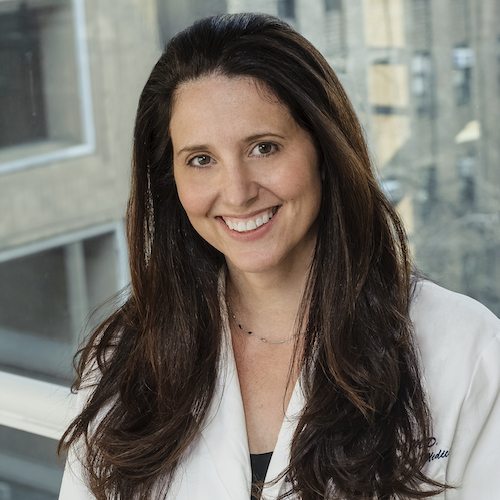
Kristin M. Burkart, MD, MSc
Professor of Medicine
Columbia University College of Physicians and Surgeons
Kristin M. Burkart, MD, MSc is Professor of Medicine at Columbia University Medical Center and the Program Director of the Pulmonary and Critical Care Fellowship since July 2011. Dr. Burkart earned her medical degree at Albany Medical College, where she was named to Alpha Omega Alpha; she completed her residency in internal medicine at the University of Colorado Health Sciences Center where she was honored to be selected as chief medical resident for an additional year. Dr. Burkart completed her fellowship training in Pulmonary and Critical Care Medicine at Boston University School of Medicine during which time she also earned her Master of Science in Epidemiology from Boston University School of Public Health.
Dr. Burkart is respected nationally as a leader in fellowship training and education. She was previously APCCMPD’s Secretary-Treasurer and also a Past President. As the Chair of the American Thoracic Society (ATS) Training Committee Dr. Burkart is actively involved in trainee education at the national level. This committee provides strategic guidance for ATS on issues related to clinical and research training in pulmonary and critical care medicine. Dr. Burkart is dedicated to providing an educational and research environment for her fellows that fosters their development into compassionate and exceptional physicians, clinician-educators, and physician-investigator.
|
MID-CAREER EDUCATOR AWARD
|
|
The Mid-Career Educator Award (MCEA) honors mid-career individuals who are actively engaged in enhancing the practice and profession of pulmonary, critical care, and pulmonary critical care medicine through education. The medical educator selected for this award is actively making significant and innovative contributions to education. These contributions should include excellence in education beyond the local level, with recognition of the recipient's excellence, which may include teaching, directing, mentoring, writing and speaking abilities, ideally to multiple levels of audiences including medical students, residents and fellowships at the local, regional and national levels. Candidates should be within 5-15 years of fellowship.
The APCCMPD honors the contributions of all 2026 nominees:
Anna Neumeier, MD
Associate Professor of Medicine
University of Colorado Anschutz School of Medicine
Mark T. Warner, MD
Associate Professor of Medicine
University of Texas Health Science Center at Houston
|
Congratulations to the 2026 awardees:
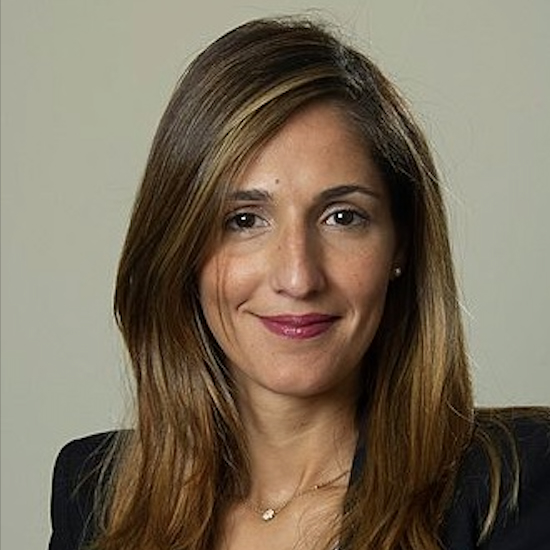
Rania Esteitie, MD
Associate Professor, Research Director for CMU Critical Care Fellowship
Central Michigan University College of Medicine
Rania Esteitie, MD is an Associate Professor of Medicine and Pulmonary and Critical Care physician focused on advancing academic education within community-based training programs. Her clinical interests include pulmonary vascular diseases and right heart failure, and her medical education interests emphasize leadership development and clinical curiosity.
She completed her internal medicine residency at Georgetown University, served as Chief Medical Resident at Boston Medical Center (Brighton-MA), and completed Pulmonary and Critical Care Medicine fellowship at Tufts Medical Center, Boston, MA. During internship, she authored Medical Research Essentials, reflecting an early commitment to understanding and teaching research.
Dr. Esteitie serves as Research Director and core faculty for the Central Michigan University Critical Care Fellowship and is a member of the CMU Academy of Medical Educators. Nationally, she serves on the American Board of Internal Medicine Pulmonary Disease Board. She is the Chair of the Section on Medical Education–Critical Care (SECC) and Social Media Chair for Women in Critical Care at ATS. At CHEST, she serves on the Scientific Presentations and Awards Committee, the Educator Development Subcommittee, and teaches annually in the CHEST Educator Development Course.
She is an Editorial Board member for the Journal of Shock and Hemodynamics and is invited annually to assist with the hands-on bronchoscopy training for pulmonary and critical care fellows across Michigan. She reinstated the Society of Critical Care Medicine–Michigan Chapter, served as chapter president, and now sits on the SCCM-Michigan Legacy Council. She also founded the Mid-Michigan Women Physicians group, a network of 100–150 physicians focused on mentorship.
Her honors include the APCCMPD Mid-Career Educator Award, SCCM Presidential Citation, CMU Excellence as a Community Educator Award, and the Distinguished CHEST Educator Award, with nomination for the CHEST Clinician Educator Award.

Diana Kelm, MD
Associate Professor of Medicine
Mayo Clinic College of Medicine and Science
Diana Kelm, MD is an Associate Professor of Medicine at Mayo Clinic and a nationally recognized leader in pulmonary and critical care medical education. She serves as Associate Program Director for the Pulmonary and Critical Care Fellowship, Medical Director of the Multidisciplinary Simulation Center, and Program Director for the Mayo Clinic Clinician Educator Pathway—a program she pioneered to cultivate future medical educators across specialties. Her innovative contributions include advancing simulation-based procedural training, interprofessional education, and curriculum design, earning her the Department of Medicine Education Innovation Award and multiple teaching honors.
Dr. Kelm’s scholarship spans over 40 peer-reviewed publications and impactful education research projects, including studies on procedural teaching, team dynamics, and resilience in training. She has mentored dozens of residents, fellows, and faculty, many of whom have achieved national recognition and leadership roles. Nationally, she holds key positions as Vice Chair of the ATS Core Curriculum and the APCCMPD Education Committee, and she co-leads ATS Resident Boot Camp sessions. A frequent invited speaker at ATS, CHEST, and APCCMPD conferences, Dr. Kelm is a thought leader in simulation, mentorship, and educational innovation. Her career reflects a deep commitment to advancing medical education and inspiring the next generation of clinician educators.
|
EMERGING EDUCATOR AWARD
|
|
The APCCMPD honors one or two up-and-coming medical educators through its Emerging Educator Award. Awardees excel in delivering and promoting medical education through various means at the local and regional levels. Awardees are a pulmonary, critical care or pulmonary critical care clinician at the level of Instructor or Assistant Professor (or equivalent), within 1-4 years of fellowship, who spends a majority of their time serving as a clinician-educator.
The APCCMPD honors the contributions of all 2026 nominees:
Brent A. Bagley, MD
Assistant Professor of Clinical Medicine
Indiana University School of Medicine
Hugo Carmona, MD
Assistant Professor of Medicine
University of Washington
Samuel I. Garcia, MD
Assistant Professor of Medicine
Mayo Clinic College of Medicine and Science
Kinsley Hubel, MD
Assistant Professor of Medicine
Oregon Health & Science University
Bibi Aneesah Jaumally, MD
Assistant Professor of Medicine
University of Alabama at Birmingham
|
Congratulations to the 2026 awardee:
Hugo Carmona, MD
Assistant Professor of Medicine
University of Washington
Hugo Carmona, MD is an Assistant Professor of Medicine in the Division of Pulmonary and Critical Care Medicine (PCCM), Department of Medicine, at the University of Washington. He serves as an Associate Program Director for the PCCM Fellowship, overseeing the ambulatory pulmonary and inpatient teaching curriculums for fellows including a leadership training series. He also serves on the American Thoracic Society (ATS) Pulmonary Core Curriculum Committee and co-chairs the ATS Fellows Track Symposium Fellows Active Skills Training course. He’s had the honor of being involved with the Association of Pulmonary and Critical Care Medicine Program Directors since he was a fellow in various roles, a relationship which has supported his ability to grow as a medical educator. His outpatient clinical focus now centers on the care of patients with neuromuscular and thoracic restriction pulmonary diseases including specializing in non-invasive and home mechanical ventilation. He also attends on the teaching services for medical and trauma/surgical intensive care units and the pulmonary consult service. His scholarly interests include neuromuscular disease and the professional development of graduate medical trainees.
|
Funding Awards
CHEST AND APCCMPD MEDICAL EDUCATOR DIVERSITY SCHOLAR FELLOWSHIP AWARD
|
|
|
|
The CHEST and APCCMPD Medical Educator Diversity Scholar Fellowship Award provides support and funding for fellows who intend to pursue a career in medical education and significantly contribute to the diversity of the medical education community. This scholarship provides monetary support for expenses related to training a fellow for an academic career as a medical educator. Allowable expenses include, but are not limited to, courses related to teaching skills or medical education research; funding to support a 1-year medical education research project; and providing protected time to an external mid-career or an advanced career medical educator at a different institution than the fellow’s institution, to mentor the fellow-in-training.
|
Congratulations to the 2026 Mentor:

Deepak R. Pradhan, MD, MHPE
NYU Grossman School of Medicine
Deepak R. Pradhan, MD, MHPE is an Associate Professor (Scholar Track) at NYU Grossman School of Medicine, Associate Medical Director of the New York Simulation Center for the Health Sciences (NYSIM), and Senior Associate Program Director for NYU’s PCCM/CCM/Cardiac CCM fellowship programs. He practices clinically in the MICU at NYU Langone Manhattan campus and Bellevue Hospital.
Dr. Pradhan is deeply committed to mentorship and the development of clinician-educators in pulmonary and critical care medicine. He serves on the NYU School of Medicine Curriculum Committee and the NYU Promotions Committee for the Scholar Track, supporting faculty advancement and educational excellence. His educational scholarship has been published in leading journals including NEJM, Medical Education, and JMIR Medical Education. His interests include point-of-care ultrasound, simulation-based education, procedural competency, faculty development, and all things related to medical education.
Congratulations to the 2026 Mentee:

Matthew Simpson, MD
Morehouse School of Medicine
Matthew Simpson, MD is a Pulmonary & Critical Care Medicine fellow at Morehouse School of Medicine in Atlanta, where he provides advanced clinical care across the Grady Health System and Atlanta VA Medical Center. A first-generation physician with a background in internal medicine, his scholarly interests span pulmonary disease, critical care syndromes, and medical education for resource-limited and underserved training environments.
Dr. Simpson has authored more than 30 peer-reviewed manuscripts, abstracts, and book chapters in CHEST, the ATS journals, The American Journal of Managed Care, and the Journal of Thoracic Disease.His work focuses on COPD and asthma outcomes, ICU diagnostics, health equity, and the clinical training needs of minority-serving institutions. His recent invited talk at CHEST examined the downstream impact of NIH funding cuts on innovation and the development of clinician-scientists from historically excluded backgrounds.
An award-winning medical educator and mentor, Dr. Simpson was recently named a Top 40 Under 40 Physician, a Pennsylvania Medical Society Everyday Hero, a UPMC Community Hero nominee, and the winner of the 2026 Rising Star Award in Health Care from the Atlanta Business Chronicles.He is also the Founder & CEO of Top MD LLC, a nationally recognized medical education company committed to increasing equity in the healthcare workforce pipeline.
|
APCCMPD SCHOLARSHIP IN MEDICAL EDUCATION RESEARCH AWARD
|
|
|
The APCCMPD Scholarship in Medical Education Research Award is a monetary grant awarded to Fellows-in-training, junior faculty within 5-years of program completion, Associate Program Directors and/or Program Directors, to fund research projects that further the field of pulmonary, critical care, or pulmonary critical care graduate medical education research.
The APCCMPD honors the contributions of all 2026 nominees:
Mahmoud Alwakeel, MD, MMCi
Duke University
Evaluating AI-Generated, Board-Style Questions from Program-Uploaded Studies: A Blinded, Controlled Field Test in the APCCMPD In-Training Examination
Timothy Dyster, MD, MAEd
University of California, San Francisco
From Lectures to Learning: Leveraging Large Language Models (LLMs) for Curricular Revision in Subspecialty GME
Alex Ryden, MD
University of Utah
Development and Validation of a High-Fidelity Virtual Reality Sengstaken-Blakemore Tube Simulation
|
Congratulations to the 2026 awardee:

James Wykowski, MD
University of Colorado Anschutz School of Medicine
Assessment of an Airway Entrustment Tool for Use in Competency Based Medical Education
James Wykowski, MD is a third-year Pulmonary/Critical Care fellow in the medical education track at the University of Colorado. His education research interests include the impact of challenging events in the ICU on learner well-being and Professional Identity Formation, medical students in the ICU, and competency based medical education.
PROJECT SUMMARY
Competency-based medical education (CBME) centers around the concept that all learners should reach a certain level of skill related to patient-centered outcomes during their training. Despite growing enthusiasm for CBME, implementation has been challenging due in part to a lack of validated tools with which to make competency assessments. Consequently, rather than being rigorously assessed, competency is instead often assumed based on number of procedures performed, gestalt, or expectation. The procedure of ICU intubation highlights the challenges of identifying and implementing CBME. Intubation training varies widely across Pulmonary/Critical Care Medicine fellowship training. Still, at fellowship graduation, most fellows are deemed competent to intubate independently based on program perception. Existing tools to assess intubation competency have not been validated in the adult ICU setting to establish competency, if at all.
We propose to implement and study the feasibility of competency-based medical education in the context of intensive care unit (ICU) intubations. In a prior study, we developed a novel adult ICU intubation assessment tool, the Denver Critical Illness Intubation Entrustment Tool (D-CITE) using a modified Delphi process (Appendix). The D-CITE Tool utilizes entrustment-based assessment for evaluation. Entrustment is an emerging form of evaluation and feedback wherein clinical supervisors make categorical decisions about how much supervision a trainee requires based on clinical observations. The anchors used in entrustment tools reflect real-world decisions made by supervisors (ie, “I need to be present in the room just in case” or “I need to provide ongoing coaching”). This format aligns with consideration for readiness for independent practice, and thus the concept of competency.
Following development of the D-CITE, we then gathered validity evidence to support the tool’s use in a simulated environment. During the validity study, twenty-nine participants completed three simulated intubation scenarios while being observed by multiple faculty members. The D-CITE tool demonstrated high reliability with Cronbach’s Alpha of 0.97 and Interclass Correlation of 0.77. Exploratory factor analysis demonstrated a single factor of intubation competence, with an eigenvalue of 8.25 explaining 82.5% of variance in scores. Results of the tool development Delphi process and validation study have been submitted for publication.
Our proposed project takes this validated tool into the clinical environment to establish validity in that setting, apply the D-CITE for use as a method for implementing competency based medical education, and assess the acceptability and impact of this approach within critical care medicine.
|
|